


Brightening / Melasma / Redness / Blemishes[Customized Toning for Pigmentation Types] Dual Toning
![[Customized Toning for Pigmentation Types] Dual Toning](/_next/image?url=https%3A%2F%2Ffirebasestorage.googleapis.com%2Fv0%2Fb%2Fkkeutguro-7e583.firebasestorage.app%2Fo%2Fproducts%252Fguro%252Fen%252F1758785273296_57c6b320-0bdf-4f21-a46b-126d971f1998_003-ezgif.com-png-to-webp-converter__1_.webp%3Falt%3Dmedia%26token%3D92ecc204-d08b-42a2-b4d0-82f75debbd26&w=2048&q=75)
[Customized Toning for Pigmentation Types] Dual Toning
Utilizing the characteristics of two lasers combined, it manages various pigmentation concerns such as melasma, blemishes, freckles, lentigo, ABNOM, and dark circles. The treatment is performed more delicately by adjusting the irradiation method according to the skin condition and pigmentation. * VAT separate
Options
Treatment Details


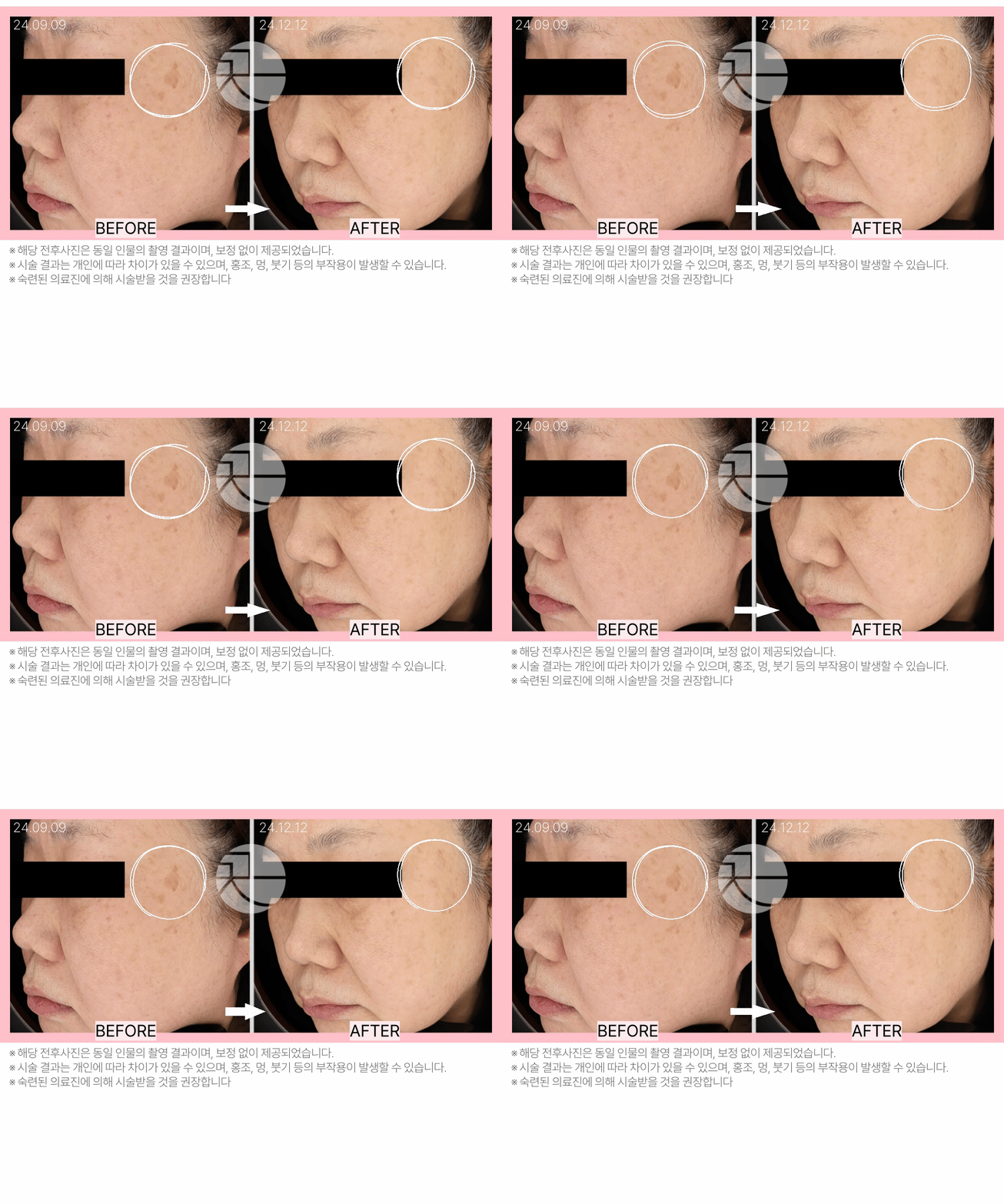



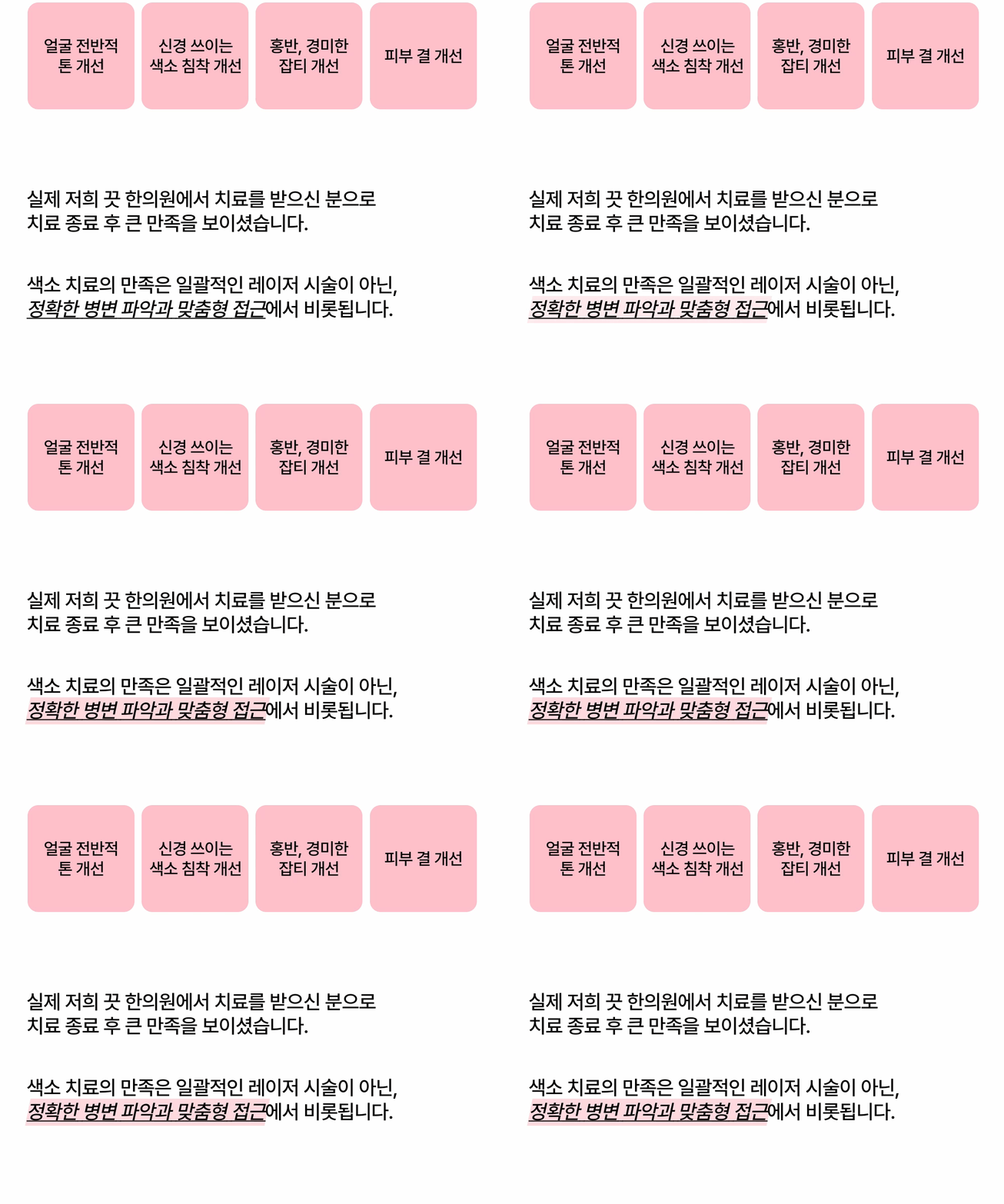



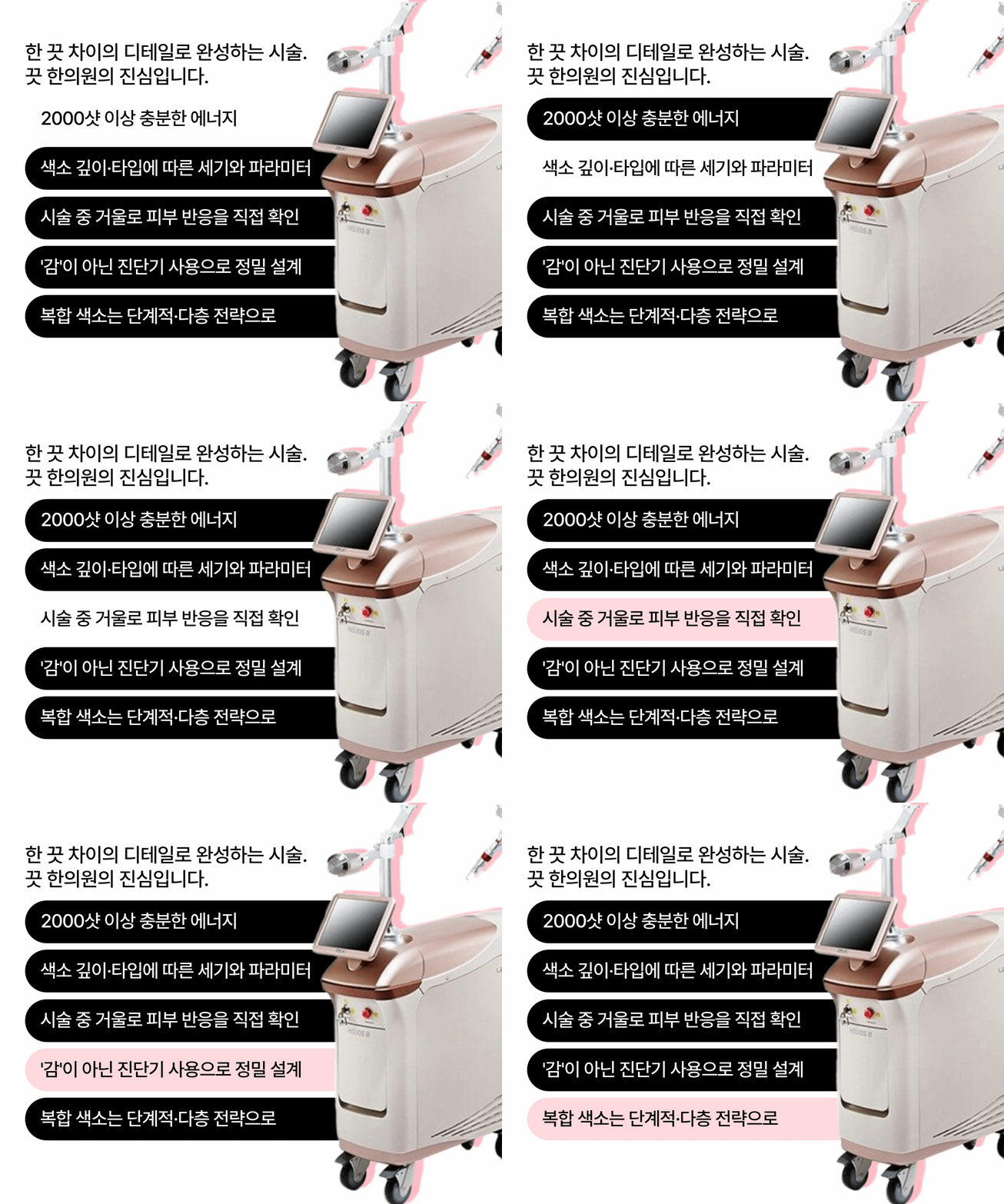


Distinguishing Features of Dual Toning
Dual Toning's Differentiated Approach
Even if you receive Laser Toning and Genesis treatments together, not everyone undergoes the procedure in the same way.
Dual Toning is based on meticulously planned designs tailored to each individual's skin condition,
and pursues more detailed and effective treatment methods.
Rather than simply focusing on the number of laser shots or equipment names,
we meticulously identify the location of pigmentation, skin reaction, and various concerns such as elasticity, redness, and pores,
and determine the treatment direction based on a total of five subdivided criteria.
① Pigmentation-Focused Type: Skin with prominent melasma, blemishes, and epidermal pigmentation
This is a case where melanin pigment is excessively distributed in the epidermis,
and we primarily use Laser Toning to focus on improving pigmentation.
The treatment aims for a clear and even skin tone.
② Combination Concern Type: Skin with both melasma and redness
This is a case where dermal pigmentation and vascular redness coexist.
In such cases, it is better to induce a gradual skin reaction with a wide application and low output rather than strong stimulation.
This may be considered for individuals with sensitive skin or those who have shown minimal response to previous treatments.
③ Redness-Focused Type: Skin with noticeable redness around the cheeks or nose
This applies to cases characterized by fine capillary dilation, heat sensation, and sensitive redness.
By applying Genesis multiple times with high output,
we can help stabilize blood vessels and strengthen the skin barrier.
④ Fine Lines & Reduced Elasticity Type: Thin, dry skin with many fine lines
This type is characterized by dehydration, rough skin texture, and reduced elasticity.
Genesis treatment is applied deeply and broadly in overlapping passes,
and is planned to stimulate collagen production in the dermis and improve skin texture.
⑤ Pore & Skin Texture Type: Skin with concerns about acne scars or enlarged pores
This applies to cases where elasticity around the pores is reduced or scars remain.
Deep thermal stimulation induces overall skin remodeling.
───────────────
*Reasons to Consider Dual Toning
Dual Toning is not simply a method of combining two laser devices for treatment.
Rather, it is a meticulously designed program tailored to each individual's skin condition.
1. Depth and distribution of pigmentation
2. Skin type sensitivity and recovery ability
3. Complex skin issues such as elasticity, redness, and pores
Considering all of the above factors comprehensively,
laser wavelength, output, handpiece selection, and even the number of shots are determined in a personalized manner.
Through the most appropriate treatment design for each individual,
Dual Toning aims for differentiated results.
───────────────
Suitable Candidates for Treatment
- It is suitable for those who are not satisfied with pore or skin texture improvement with general toning alone and expect better changes.
- Recommended for those who want to quickly experience skin changes with a small number of treatments.
- It can be considered for those who are concerned about deep melasma or deep pigmentation.
───────────────
Treatment Process
- STEP 01. Cleansing
- STEP 02. 1:1 Customized Consultation, Design, and Treatment
───────────────
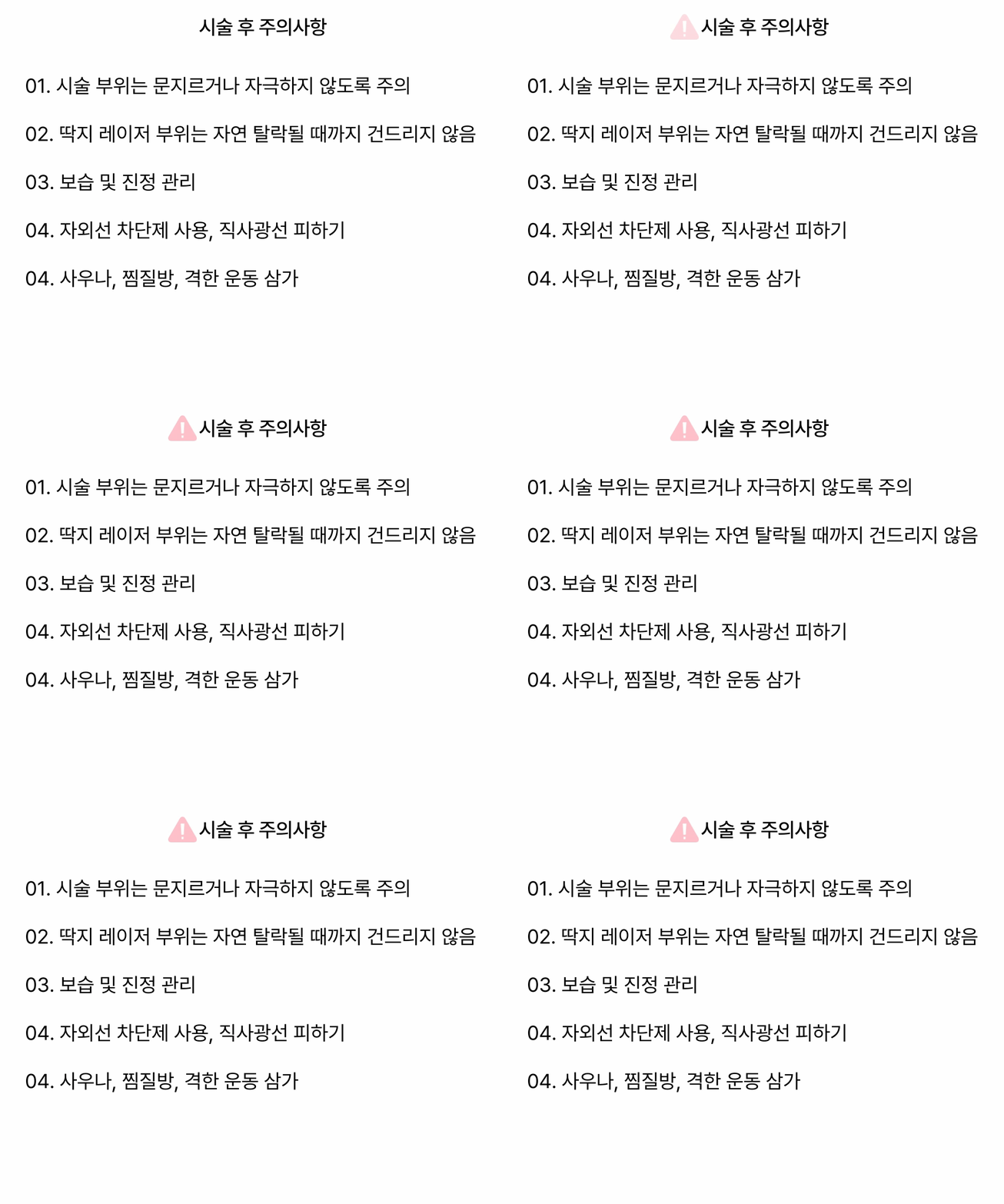
Precautions After Treatment
- Cleansing and makeup are possible on the day of the treatment. It is recommended to pay sufficient attention to sun protection.
- For skin that has become temporarily sensitive after treatment, it is important to consistently provide soothing and moisturizing care.
- Swelling or redness may appear in the treated area, but it usually subsides naturally over time. If symptoms persist for more than a few days, we recommend contacting the clinic for a consultation.
───────────────
What is Melasma, and How Does It Differ from Blemishes?
Melasma differs from a simple problem where melanin pigment is excessively produced and deposited in the skin.
It appears when pigment cells called melanocytes, located in the deep layers of the skin, become excessively active.
Melanin produced by these cells repeatedly spreads to wide areas.
As a result, it is a complex pigmentation disorder that penetrates the dermis and remains for a long period.
External factors such as UV radiation or hormonal changes often stimulate melanocytes.
During this process, subtle inflammatory reactions and vascular-related factors within the skin can also be affected.
Unlike typical mole-like forms, it is characterized by ill-defined borders and pigment spreading over a wide area.
Histologically, the number of melanocytes may be within the normal range, but
the size of the cells and the dendritic structures (dendrites) are often significantly increased.
This leads to more active and wider transfer of melanin to surrounding cells.
Additionally, in some patients, melasma lesions may be accompanied by subtle capillary dilation or redness.
In such cases, it may be classified as vascular melasma.
Rather than viewing melasma as a disease in itself, it can be seen as the result of the skin reacting sensitively to external stimuli,
and developing due to various factors in a structurally unstable state.
Therefore, rather than simply removing pigment, it is important to treat melasma by addressing its fundamental causes and improving skin structure together.
While dual toning can be helpful for general pigmentation disorders, melasma, in particular, often requires dual toning as general toning alone is insufficient.
Procedure Guide
첫 상담부터 마무리까지의 실제 진행 순서를 확인하세요.
- 01
Cleansing (self)
- 02
Precise skin diagnosis (using Mark-Vu)
- 03
One-on-one customized consultation
- 04
Laser toning procedure after setting parameters suitable for each individual
- 05
Procedure completion and application of regenerative cream
시술 기본정보
시술 시간, 마취, 회복, 유지기간을 한 번에 확인하세요.
TIME
15-30 minutes
ANESTHESIA
No anesthesia
RECOVERY
Immediate return to daily life
Ideal For
One Fine Difference makes real results.
- KKEUT POINT 01
Those who are concerned about dull and uneven skin tone overall.
- KKEUT POINT 02
Those who want to manage redness, fine wrinkles, and rough skin texture in addition to improving skin tone.
Q&A
고객님들이 가장 많이 물어보시는 내용을 모았습니다.
What is the recommended interval and number of sessions for this treatment?

Generally, treatments are considered at 1-2 week intervals, and more satisfactory results can be expected when consistently receiving at least 10 sessions. The recommended number of sessions may vary depending on individual skin condition.
How much pain can be expected during the procedure?
You may feel a mild stinging sensation during the procedure, but it is generally tolerable. Since the pain is not particularly severe, the procedure is often performed without a separate anesthetic cream.
Cautions
Results = Treatment × Aftercare. Please follow the notes below.
After the procedure, it is recommended to apply sunscreen thoroughly to reduce pigmentation and to avoid strong sunlight exposure as much as possible.
It is recommended not to use exfoliants or peeling products that can irritate the skin for about 1 week after the procedure.
It is advisable to refrain from alcohol, smoking, high-temperature saunas, or strenuous exercise for about a week after the procedure.